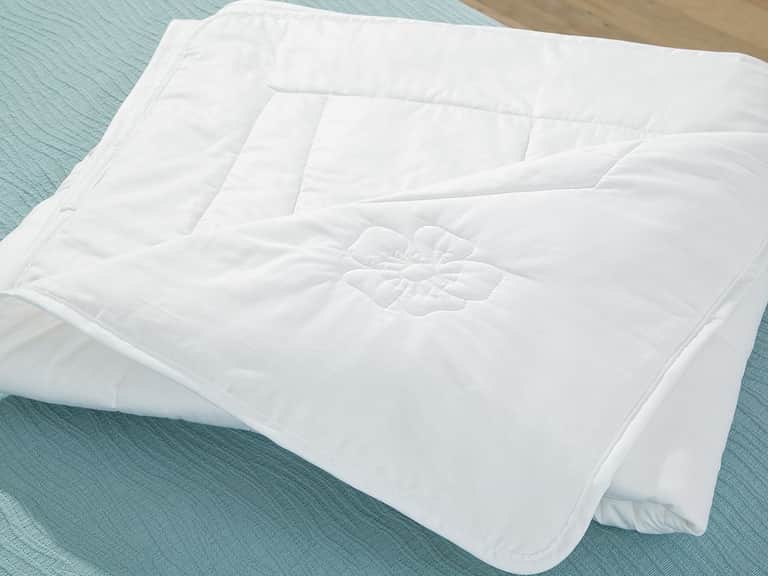
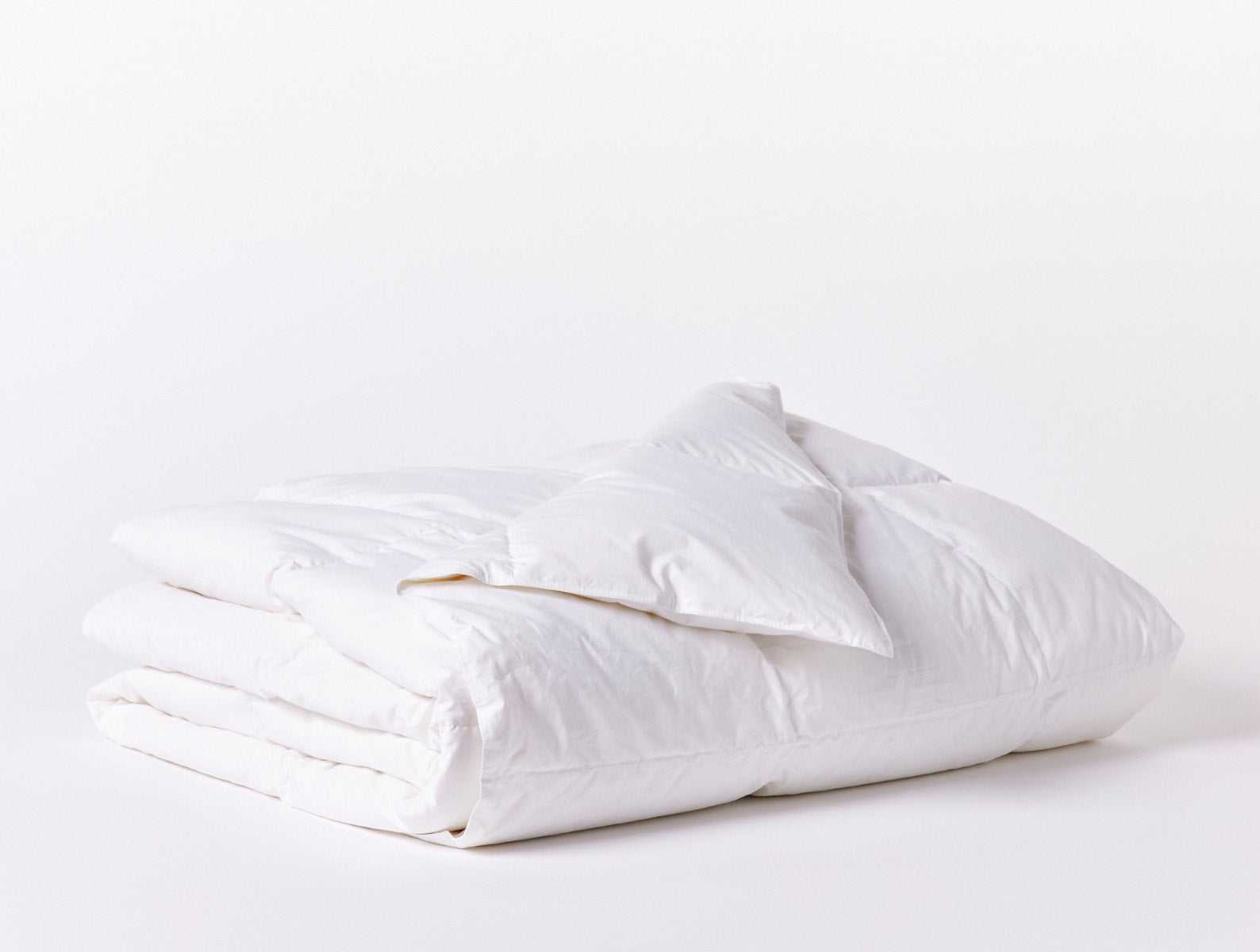
In the quiet of a well-appointed bedroom, a down comforter rests as a silent ally against chill and a companion to restful nights. The term “down” refers to the delicate clusters found beneath the outer feathers of ducks or geese. When harnessed correctly, this natural loft creates warmth with astonishing lightness, a chemistry of breathability and insulating micro-architecture that few synthetic fills can rival. Yet the world of down comforters is not monolithic. Loft, fill power, shell fabric, stitch pattern, and even ethical sourcing shape how a comforter feels, performs, and ages.
This guide adheres to a non-commercial, information-first approach. We compare durable, reputable options—brands such as DownTown Company, The Clean Bedroom, and Sleep and Beyond—without promotion of specific shopping choices. The goal is clarity: to help readers translate product labels into practical decisions tailored to climate, sleep style, and maintenance preferences.
Key terms and what they mean
- Fill power: A measure of loft; higher numbers indicate more warmth per unit of down. A 700–800 fill power is typically associated with premium comforters that are lightweight yet warm.
- Loft and baffle box construction: Loft describes the vertical space the fill creates. Baffle boxes prevent down from shifting, ensuring even warmth distribution.
- Shell fabric: The outer covering (often cotton sateen, cotton percale, or silk) that encases the down. It influences feel, breathability, and care requirements.
- Duvet cover compatibility: A duvet with corner loops or tabs helps keep the insert in place inside a cover, reducing bunching and cold spots.
Materials: down, blends, and alternatives
Down comforters span a spectrum from pure duck or goose down to sophisticated blends with other fibers. Pure down offers exceptional warmth-to-weight ratio and cloud-like lightness, but may require more meticulous care and sourcing considerations. Blends—down with feathers, or down with milkweed, wool, or synthetic fibers—often balance loft with affordability, washability, and allergen considerations.
In the contemporary market, luxury comforters may incorporate responsibly sourced Down with Standard (RDS) labeling, while other noble fills like wool or silk offer natural temperature regulation. For warm climates or hot sleepers, lighter-weight down or down-alternative fills (recycled polyester, Lyocell/silk blends) provide breathable performance without sacrificing comfort.
Three representative paths for a Down Comforter journey
- Educational resource: Focus on material science, warmth dynamics, and care tips. Articles explain how to interpret warmth ratings and fabric choices.
- Care-centric approach: Emphasizes washing, drying, storage, and maintenance to preserve loft and longevity. Includes troubleshooting guides for clumping or odor issues.
- Historical-cultural perspective: Traces the journey of down textiles across regions and eras, offering a design-forward lens on textures and craft behind comforters.
Care and maintenance: preserving loft and longevity
Proper care begins with prevention: use a duvet cover to shield the fill, and choose a shell fabric that breathes. Regular fluffs and occasional professional cleanings (when indicated by the care label) help maintain loft. For many down inserts, small routine steps—airing, occasional spot-cleaning of the cover, and careful machine washing according to manufacturer instructions—keep loft from collapsing or clumping.
When issues arise—cold spots, uneven fill, or odor—start with gentle manipulation. A gentle shake followed by even distribution of the fill inside the quilted chambers can restore balance. If clumping occurs, a refresh cycle in the dryer with clean tennis balls (or dryer balls) can help break up compacted clusters; always follow care instructions to protect the outer fabric.
A practical buying framework: evaluating three well-known brands
The landscape includes many brands, but three are common referents in this discussion: The Clean Bedroom, DownTown Company, and Sleep and Beyond. Each brand offers a different emphasis—texture, warmth, and eco-conscious sourcing—while sharing core features such as loft, stitch-through construction, and duvet-cover compatibility.
The Clean Bedroom
The Clean Bedroom’s Down-Alt Duvet is a compelling cooling alternative. It uses recycled polyester fill with a TENCEL Lyocell shell—an approach that favors airflow and moisture management. The sewn-in chamber design maintains even loft, while eight duvet loops help anchor the insert inside a cover. This combination is particularly suitable for sleepers who desire a lighter, breathable feel without traditional down.
DownTown Company
DownTown Company champions natural materials with a penchant for breathable textures. The Summer Linen Comforter, for instance, pairs natural cotton-linen fill with a cotton sateen cover and an Aloe Vera finish for softness. Linen’s inherent breathability and moisture-wicking properties support a cooler sleep climate. This option demonstrates how a linen blend can deliver a distinct tactile feel and climate control.
Sleep and Beyond
Sleep and Beyond emphasizes modern blends and performance fabrics. Their MyMerino wool variant, with organic superfine merino wool and a cotton sateen shell, offers temperature regulation and moisture-wicking comfort. Wool naturally buffers humidity and can adjust to seasonal shifts, making it a strong candidate for year-round use in temperate climates.
Different climate needs and sleep styles
A sleeper in a warm climate may favor lighter-weight down or a down-alternative duvet with high breathability. A colder climate may justify heavier fill power and draft-reducing box constructions. Side sleepers may benefit from a slightly firmer pillow arrangement and a duvet insert that distributes loft evenly. Back sleepers may prefer steadier warmth with a balanced loft to maintain spine alignment and heat distribution.
Careful selection: an actionable checklist
- Identify climate and sleeping temperature: hot, average, or cold sleepers.
- Assess loft and fill power balance: higher fill power can yield lighter warmth with greater loft.
- Check shell fabric: preference for cotton sateen, TENCEL Lyocell, silk, or wool blends based on feel and care expectations.
- Inspect construction: stitched-through or boxed/baffle configurations influence loft stability.
- Consider sustainability and ethics: RDS, GOTS, and other certifications support responsible sourcing.
- Plan for care: washing, drying, and storage guidelines tie directly to longevity.
A note on the domain and brand alignment
The domain eiderdowncomforter.net evokes a distinct sense of luxury and snug interiors. While the article you are reading remains informational, real-world branding should clarify non-commercial intent and emphasize guidance over endorsements. The language should be precise, objective, and rooted in sleep science and textile knowledge to establish credibility and trust.
Three key individuals who shaped the world of down and textiles
Across centuries, three figures stand out as touchpoints for how we think about materials, comfort, and textile craft. Their ideas reverberate through modern bedding design and inform the practical guidance presented here.
1) Mary Montague (early 18th century) — Pioneering domestic textile science
Mary Montague’s era was one of meticulous household management and burgeoning curiosity about textile behavior in real living spaces. While not a bed-maker in the modern sense, her writings and correspondences reflect a growing appreciation for the role of textiles in comfort, climate control, and daily life. The emphasis on breathable fabrics and careful laundering patterns foreshadowed later practical guidance on maintaining comfort textiles, including bedding.
2) James upon James H. Kilim (19th century) — The artisan-scientist of loft and weave
In the late 1800s, innovators who bridged craft and science began to quantify fabric properties. Kilim, renowned for weaving technique and texture, embodied the shift toward understanding loft, fill distribution, and fabric durability. The ethos of combining artistry with empirical observation remains central to how modern duvet covers and shells are designed to maximize comfort and longevity.
3) Dr. Helena H. Chen — Sleep physiology meets textile engineering
In the late 20th and early 21st centuries, sleep science matured, increasing attention to temperature regulation, humidity, and sleep stages. Dr. Chen’s work on microclimates and bedding materials—how fabrics interact with body heat and moisture—helped anchor practical guidance on choosing breathable shells, moisture-wicking fills, and sustainable materials. Her research informs today’s “choose materials by climate and sleep style” approach.
A curated, experiential close
The practice of selecting a down comforter is an invitation to observe one quiet, intimate space—the bed—as a micro-ecosystem. The warmth of a well-chosen comforter emerges not only from the loft of the fill but from the harmony of shell, construction, and care. When the night falls and a reader pulls back the covers, the decision to choose materials with climate awareness, ethical sourcing, and practical care becomes a stewardship of sleep.
This article has drawn on the ethos of non-commercial guidance, highlighting how to evaluate warmth, loft, and maintenance. The goal is to empower readers to make informed decisions that align with personal comfort, climate realities, and values around sustainability. The result is not merely better sleep in a single night, but a longer, more restorative relationship with the bed—one that respects both material science and the lived experience of rest.